
crushing of mechanical hazards fabricante Agarrando fuerte capacidad de producción, fuerza de investigación avanzada y excelente servicio, Shanghai crushing of mechanical hazards proveedor crea el valor y aporta valores a todos los clientes.
 WhatsApp)WhatsApp)
Crush points are also mechanical hazards in which two objects move close together, according to eXtension. These mechanical hazards can easily crush limbs, fingers and bones. Crushing incidents can also lead to death in certain circumstances.
May 17, 2019· A crush-point hazard exists when two objects move toward each other or when a moving object approaches a stationary object. The most common crush point agricultural producers encounter is the attachment of an implement to a tractor's drawbar (shown above).
Mechanical Hazards & Safeguarding. Chapter 8. Goetsch. Mechanical Hazards Associated with power mechanics ; New technology has created new hazards ; Automation has removed many hazards; Mechanical Injuries. Cutting and tearing ; Shearing ; Crushing ; Breaking ; Straining and Spraining ; Puncturing; Cutting and Tearing. Contact with a sharp edge
(Photo: njaj / FreeDigitalPhotos) Crushing is probably one of the most common formsof injury sustained by pedestrians on a construction site. However a crush injury can occur whenever the workers body is caught between 2 heavy objects. Some of the most brutal crushing injuries occur when a worker is hit by a falling object, such [.]
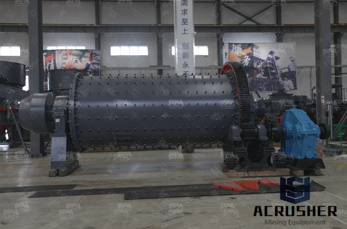
Caught/crush hazards are not limited to machinery. Vehicles, powered doors, and forklifts can pose a crush hazard unless they have been blocked or tagged out. Never place your body under or between powered equipment unless it is de-energized. Doors, file drawers, and heavy crates can pinch fingers and toes. Take care where you place your fingers.
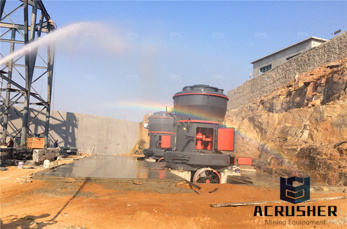
Mar 23, 2015· Crushing hazards exist when workers may be caught in or between two hazards. If the impact alone could be deadly, the hazard is considered a "struck-by" hazard—the danger is that a worker will be struck by an object. Your one-stop safety management resource, available 24/7.
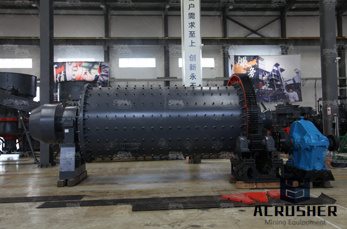
Nov 21, 2017· Part of our Online Agriculture Safety Series. Complete the FREE and interactive online safety training program at
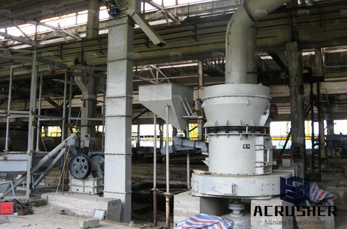
A crusher is a machine designed to reduce large rocks into smaller rocks, gravel, sand or rock dust.. Crushers may be used to reduce the size, or change the form, of waste materials so they can be more easily disposed of or recycled, or to reduce the size of a solid mix of raw materials (as in rock ore), so that pieces of different composition can be differentiated.
Mechanical Machinery Hazards Most machinery has the potential to cause injury to people, and machinery accidents figure prominently in official accident statistics. These injuries may range in severity from a minor cut or bruise, through various degrees of wounding and disabling mutilation, to crushing, decapitation or another fatal injury.
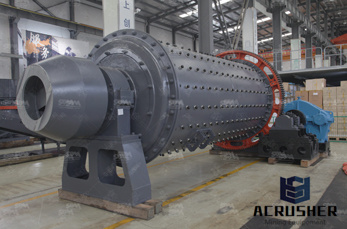
Machien Safety - Prevention of mechanical hazards - IRSST known protection principles. For more information on machine safety, refer to the ... Section 4 Protection against crushing hazards 31 .... Most of the risks related to mechanical hazards can be reduced to acceptable forces or energy levels (see ...
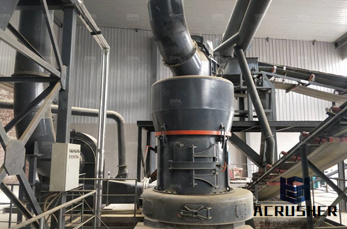
The hazard associated with static lifts and hoists is that of failure under load, which may lead to a falling weight or a flailing cable. There is also the potential for crush injury where personnel come between the moving load (or crane) and a fixed object. Managing hazards. It's important to think about managing hazards when using lifts and ...
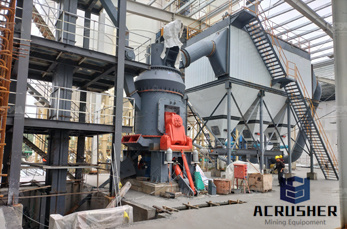
Jul 10, 2019· The key safety issue here was collision and crushing. ... His personal expertise is with safety critical system designs of control, manufacturing, and automation systems. ... Mechanical .
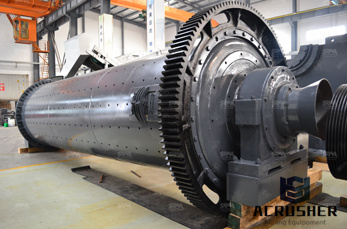
Mechanical and other common hazards This section discusses injuries that happen when parts of the body come into contact with moving machinery and other common hazards, and suggests how best practice design can eliminate these hazards.
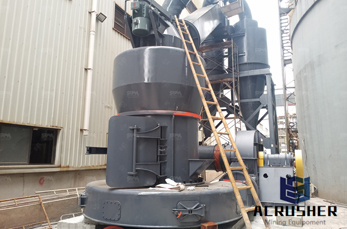
Some of the most common types of mechanical injury hazards include the following (Goetsch, 2011): (a) cutting, (b) tearing, (c) shearing, (d) crushing, (e) breaking, (f) straining, and (g) puncturing (p.302). Cutting and tearing occurs when a body part comes in contact with a sharp edge.
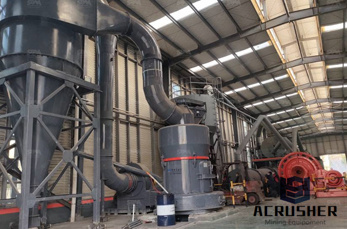
Mechanical Hazards Shear Or Cutting Points Ag Safety. May 17 2019 potential injuries from shear or cutting point hazards include amputation lacerations contusions crushing of tissue and broken bones due to the speed of mechanical parts injury is inevitable when a body part comes in contact with a shear or cutting point agricultural equipment and machine hazards 2016 the ohio state university
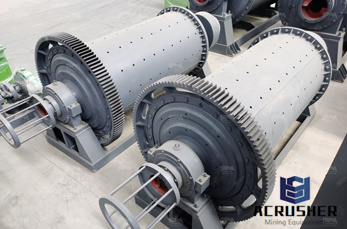
Crushing is the first step of mineral processing where the ore/rocks from the mine site is fed into the mechanical equipment in order to reduce the size of masses for subsequent usage by ...
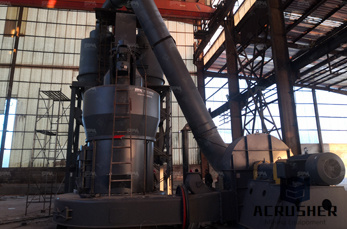
Hazard Of Crushing Machine. The Mechanical Machinery Hazards Mechanical Safety Mar 21, 2018 A crushing hazard through being trapped between a moving part of a machine and a fixed structure, such as a wall or any material in a machine; A shearing hazard which traps part of the body, typically a hand or fingers, between moving and fixed parts of the machine; A cutting or severing hazard through ...
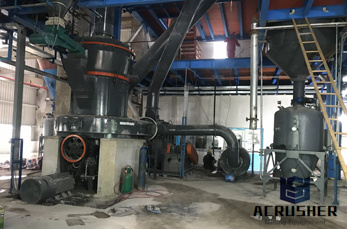
Potential injuries from shear or cutting point hazards include amputation, lacerations, contusions, crushing of tissue, and broken bones. Due to the speed of mechanical parts, injury is inevitable when a body part comes in contact with a shear or cutting point.
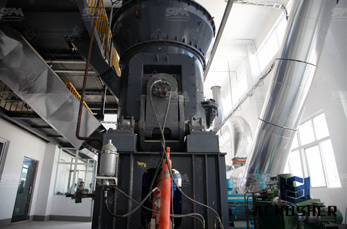
Physical hazards associated with the operation of mechanical equipment and machinery that users must be protected from include pinch points, wrap points, shear points, crush points, pull-in points, and the potential for objects to be thrown from the equipment.
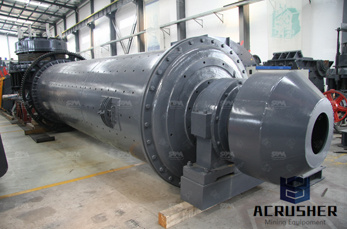
Machien Safety - Prevention of mechanical hazards - Irsst Section 4 Protection against crushing hazards 31. 4.1 Protection .... When machine-related mechanical hazards (refer to .
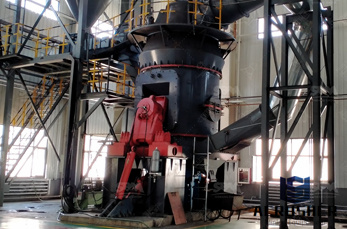
Hazards associated with working near or on machinery vary depending on the exact machine used but can include exposure to: moving parts (e.g., risk of injuries from entanglement, friction, abrasion, cutting, severing, shearing, stabbing, puncturing, impact, crushing, drawing-in or trapping, etc.)
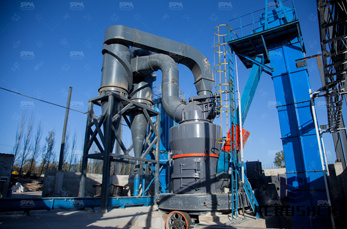
Fast shipping and guaranteed low prices for your crush hazard labels. As an essential manufacturer, we are open and fulfilling orders as usual. For Customer Service: chat or call 800-274-6271.
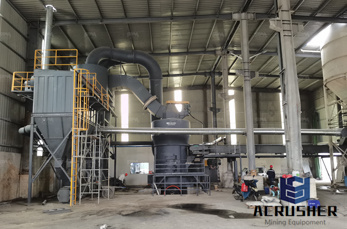
The main mechanical risks include cuts, lacerations, needle punctures, crushing, and contact with machines, as well as falls from heights, slips, trips and falls on the same level, and trench cave-ins. ... Resistance of protective gloves and clothing to mechanical and physical hazards. The aim of this thematic program is to evaluate the ...
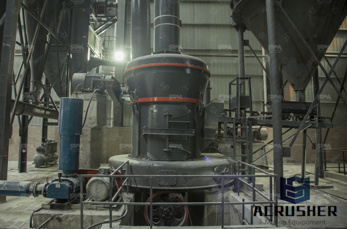
Mechanical Hazards Through Crushing. Industrial Door Safety Occupational Health Safety, Industrial door safety forklifts can run into workers as well as other forklifts if visibility through to the other side of the door is poor vision panels or plastic windows manufactured Mechanical Hazards Through Crushing.

 Chat en línea
 Línea directa de ventas